Why Regular HVAC Maintenance Is Essential for Year-Round Home Comfort

When your heating and cooling system works properly, it’s easy to forget it’s even there. But behind the scenes, your HVAC system is responsible for maintaining comfortable indoor temperatures, improving air quality, and keeping your home livable during extreme weather.
Unfortunately, many homeowners only think about their HVAC system when something goes wrong. Waiting until a breakdown occurs can lead to expensive repairs, uncomfortable indoor temperatures, and even reduced system lifespan. Regular HVAC maintenance is one of the simplest and most effective ways to keep your home comfortable while avoiding unnecessary costs.
Understanding How HVAC Systems Support Home Comfort
HVAC stands for heating, ventilation, and air conditioning. These systems work together to regulate indoor temperature, control humidity, and circulate clean air throughout your home.
An HVAC system typically includes:
- An air conditioner or heat pump for cooling
- A furnace or heating unit
- Ductwork that distributes air
- Thermostats and control systems
- Air filters and ventilation components
Together, these parts create a balanced indoor environment. However, when even one component becomes dirty, worn, or damaged, it can affect the performance of the entire system.
That’s why routine maintenance and professional inspections are so important.
See also: Conventional Geysers Are Making a Comeback: Here’s Why Homeowners Still Love Them
The Hidden Costs of Skipping HVAC Maintenance
It might seem easier to postpone maintenance visits, especially when your system appears to be working fine. But skipping routine care can lead to several long-term problems.
Higher Energy Bills
When filters clog, coils collect dirt, or airflow becomes restricted, your system has to work harder to maintain the same temperature. That extra strain translates directly into higher electricity or gas bills.
More Frequent Repairs
Minor issues often develop slowly. Without maintenance checks, small problems like loose electrical connections or worn components can turn into major repairs.
Shorter Equipment Lifespan
Most HVAC systems are designed to last between 10 and 20 years. However, systems that lack proper maintenance often fail years earlier due to excessive wear and tear.
Poor Indoor Air Quality
Dust, pollen, mold spores, and other particles can build up inside HVAC systems over time. Without proper cleaning and filtration, those contaminants can circulate through your home.
Key HVAC Maintenance Tasks Every Homeowner Should Know
Some maintenance tasks are simple enough for homeowners to handle, while others should be performed by trained technicians.
Here are some of the most important steps involved in maintaining an HVAC system.
1. Replace Air Filters Regularly
Air filters trap dust, pet hair, and airborne particles before they enter your HVAC system. Over time, filters become clogged and restrict airflow.
Most filters should be replaced every 1–3 months depending on usage, pets, and air quality conditions.
2. Keep Outdoor Units Clear
Your outdoor condenser unit needs proper airflow to release heat. Leaves, grass, dirt, and debris can block ventilation and reduce efficiency.
Make sure there is at least two feet of clear space around the unit.
3. Check Thermostat Settings
Programmable thermostats help regulate indoor temperature efficiently throughout the day. Ensuring your thermostat is calibrated and functioning correctly can reduce unnecessary energy use.
4. Inspect Ductwork
Ducts deliver conditioned air throughout the home. If they develop leaks, loose connections, or blockages, airflow becomes uneven and energy efficiency drops.
5. Schedule Professional Tune-Ups
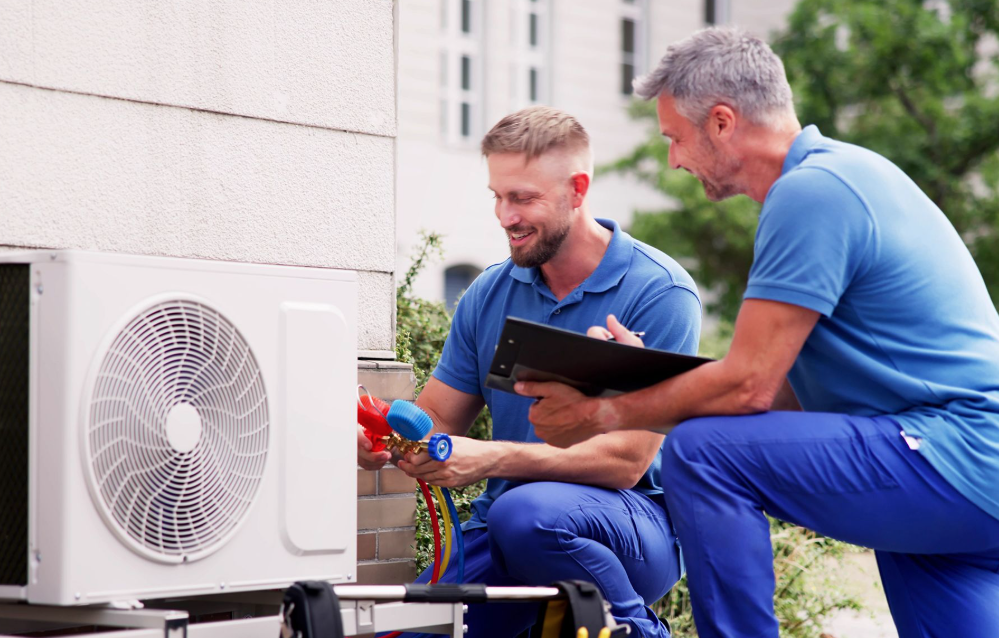
Professional HVAC technicians can perform detailed inspections that go beyond basic maintenance. This often includes:
- Checking refrigerant levels
- Cleaning evaporator and condenser coils
- Testing electrical components
- Inspecting blower motors
- Evaluating airflow and duct performance
Routine professional service helps identify issues early before they escalate into major failures.
Why Climate Matters for HVAC Performance
Climate plays a significant role in how often HVAC systems need maintenance. In regions with extreme heat or temperature swings, systems often run longer and experience more strain.
During hot summer months, air conditioners may operate for hours at a time, especially in warmer climates. Continuous operation can accelerate wear on components like compressors, motors, and capacitors.
Because of this, homeowners in warmer areas benefit significantly from regular inspections and preventative service.
For those looking to learn more about professional HVAC services, system maintenance, and cooling solutions, visiting resources like cowboysac.com can provide helpful insights into how heating and cooling systems are maintained and supported throughout the year.
Signs Your HVAC System May Need Attention
Even with maintenance, HVAC systems sometimes develop problems. Knowing the warning signs can help you address issues early.
Watch for these common indicators:
- Warm air coming from vents when cooling is on
- Weak airflow throughout the home
- Unusual noises such as grinding or banging
- Frequent system cycling on and off
- Sudden spikes in energy bills
- Uneven temperatures between rooms
These symptoms may indicate problems with airflow, refrigerant levels, electrical components, or mechanical parts.
Addressing issues quickly helps prevent further damage and keeps your home comfortable.
Creating a Simple HVAC Maintenance Schedule
A consistent maintenance routine can help homeowners stay ahead of problems.
Here’s a basic annual schedule:
Monthly
- Inspect and replace air filters if needed
- Check thermostat settings
Spring
- Clean outdoor condenser unit
- Schedule AC inspection before summer
Fall
- Schedule furnace or heating system inspection
- Check ducts and insulation
Year-Round
- Keep vents clear
- Monitor system performance
- Listen for unusual sounds
Following a simple schedule helps ensure your system is ready for seasonal temperature changes.
The Long-Term Value of Preventative HVAC Care
Preventative maintenance is one of the smartest investments homeowners can make. By keeping your system clean, properly calibrated, and professionally serviced, you can extend equipment lifespan, reduce energy consumption, and avoid inconvenient breakdowns.
More importantly, regular maintenance ensures that your home remains a comfortable place to live regardless of outdoor temperatures.
Heating and cooling systems are essential parts of modern homes. With consistent care and attention, they can deliver reliable performance for many years—keeping your indoor environment comfortable, efficient, and healthy.