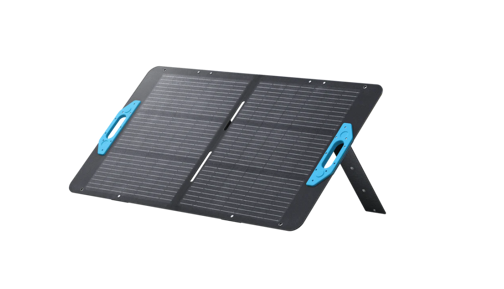

Portable solar panels vary widely in how easily they adapt to changing conditions, different travel styles, and the practical demands of outdoor charging. Flexibility is not just about bending or folding—it refers to how well a panel performs in diverse sunlight environments, how simple it is to deploy, and how naturally it fits into a traveler’s routine. Some panels offer rigid limitations, while others deliver adjustable angles, durable construction, and user-friendly connection systems that make them far more versatile. The Anker SOLIX PS100 Portable Solar Panel is an example of a flexible design, with foldable portability, multiple tilt settings, and a weather-resistant build. Understanding what makes a panel flexible helps travelers choose gear that works consistently across campsites, road trips, and backcountry excursions.
Design Features That Enhance Solar Panel Flexibility
Adjustable Tilt Options Allow the Panel to Match Different Sun Positions
One of the strongest contributors to panel flexibility is the ability to change its angle easily. Sunlight arrives at different intensities depending on time of day and season, and a fixed-angle panel cannot adapt to these shifts. Flexible panels provide angle settings that help maximize energy intake throughout daylight hours. The portable solar panels PS100 includes four tilt options—30°, 40°, 50°, and 80°—giving travelers several precise ways to align the panel with the sun. This versatility makes the panel useful in low morning sunlight, strong midday light, and late-afternoon conditions. Panels without adjustable angles force users to compromise on exposure. Flexible angle systems ensure the cells consistently receive the most direct light, which boosts efficiency and makes the panel practical in far more scenarios.
Foldable and Lightweight Construction Expands Where Panels Can Be Used
Flexibility in the physical sense comes from a design that packs down easily and moves with minimal effort. Bulky or heavy panels limit where travelers can set them up, while a lightweight, compact structure increases deployment options. The PS100 weighs 4.4 kg (9.7 lb) and folds into a clean rectangular shape that fits in cars, backpacks, and camp bins. This simple footprint makes it easy to carry to a sunny location away from shade, mount on different surfaces, or reposition throughout the day. Its fold-and-go design gives travelers confidence to bring the panel even on trips where space is tight. Practical portability is a major factor that separates flexible panels from stationary solar kits or rigid, cumbersome models.
Weatherproof Materials Allow Charging in Varied and Unpredictable Conditions
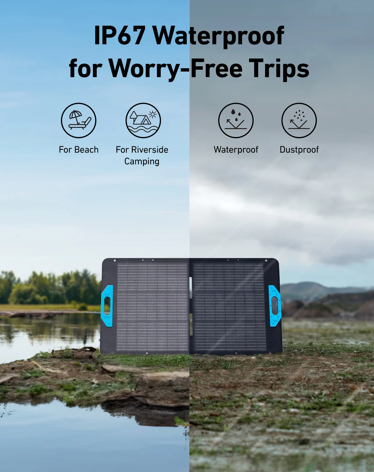
True flexibility requires durability and weather resistance. Outdoor charging exposes panels to dust, rain, dew, UV radiation, and rough terrain. A flexible panel must withstand these factors without losing performance. The PS100 features IP67 waterproof protection, meaning it continues working safely even in wet environments. Its ETFE coating resists scratches, abrasions, and degradation from sun exposure. These materials allow travelers to deploy the panel confidently on sand, gravel, picnic tables, or damp grass without worrying about damage. Weatherproofing expands the number of environments where the panel can function effectively, making it a more adaptable and dependable tool for outdoor energy collection.
See also:Streamlining Technology Procurement with Wholesale Monitors
Usability Features That Improve Real-World Adaptability
Stable and Efficient Connections Ensure Reliable Power Transfer
Solar flexibility is not only about capturing sunlight—it also depends on delivering that energy efficiently to the device or power station. Panels with unstable or proprietary connectors limit their usefulness. In contrast, the PS100’s MC4 connection provides strong conductivity and works with a wide range of energy storage systems through included adapters. This reduces energy loss and ensures the panel can integrate into different charging setups. A flexible panel is one that works smoothly with multiple power stations, cables, and charging routines. A reliable connection system also allows users to reposition the panel frequently without interrupting the charging process, enhancing its real-world practicality.
Easy and Quick Setup Encourages Frequent, Opportunistic Charging
A flexible solar panel should be simple to deploy. If setup is slow or complicated, travelers will use the panel less often, missing valuable sunlight hours. The PS100’s design allows users to unfold it, angle it, and start charging within seconds. Each angle clicks into place without tools, straps, or improvisation. This convenience encourages travelers to charge during short breaks—at scenic lookouts, during lunch, or while setting up camp. A panel that supports spontaneous charging is far more adaptable because it integrates naturally into daily rhythms. Ease of use is a major part of flexibility, especially for families, beginners, or people on the move.
Rugged Build Quality Enables Use Across More Terrain Types
Flexible panels must survive varied environments—not just clear, flat surfaces. Outdoor conditions often include rough rocks, uneven ground, dusty trails, or muddy campsites. The PS100’s hardened ETFE coating and sturdy frame support use on diverse terrain without compromising performance. This ruggedness allows travelers to set the panel on riverbanks, atop vehicles, on gravel paths, or in open fields. Panels that crack easily, warp, or lose efficiency under stress are less flexible in practice. Durability directly expands where the panel can operate, which in turn makes it a more valuable energy tool for wide-ranging trips.
Conclusion
Flexibility in portable solar panels comes from a combination of adjustable design, durable construction, dependable connectivity, and ease of use. Panels that adapt to changing sunlight angles, withstand varied weather, deploy quickly, and integrate with multiple charging systems offer far greater practical value to travelers. The Anker SOLIX PS100 Portable Solar Panel embodies this versatility through its 23% conversion efficiency, four tilt settings, foldable body, IP67 waterproof rating, ETFE coating, and stable MC4 connection. These attributes allow the panel to serve in more environments, support more devices, and respond more effectively to real-world conditions. As travelers explore renewable power options, they increasingly recognize how portable solar panels gain true flexibility not only from their design but also from how seamlessly they fit into everyday outdoor routines.