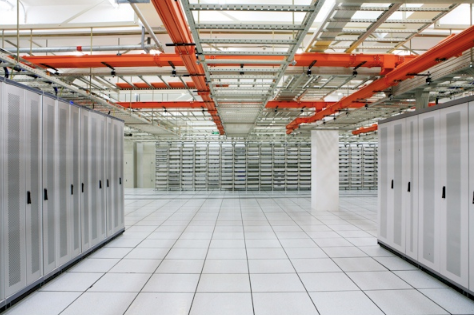

High-performance facilities today require flooring systems that combine durability, flexibility, and aesthetic appeal. HPL raised access flooring has emerged as a popular choice for commercial offices, data centers, laboratories, and control rooms. Known for its robust high-pressure laminate surface, this flooring system offers long-lasting performance, easy maintenance, and compatibility with modern building infrastructure.
As organizations prioritize efficient cable management, airflow optimization, and flexible workspace layouts, HPL raised access flooring provides a reliable and versatile solution.
What Is HPL Raised Access Flooring?
HPL (High-Pressure Laminate) raised access flooring consists of a core panel—often made from steel, wood, or composite materials—covered with a high-pressure laminate surface. The panels are installed on adjustable pedestals, creating a concealed void between the structural slab and the floor surface.
This underfloor space is used for:
- Routing electrical wiring and data cables
- Installing HVAC ducts and cooling systems
- Housing fire suppression systems
- Providing flexibility for future expansions
The high-pressure laminate surface ensures durability, chemical resistance, and a polished finish suitable for high-traffic environments.
Advantages of HPL Raised Access Flooring
Durability and Wear Resistance
HPL surfaces are resistant to scratches, stains, and abrasions. This makes them ideal for environments with heavy foot traffic, moving equipment, or frequent layout changes.
Easy Maintenance
The smooth, hard surface of HPL panels HPL raised access flooring is easy to clean and maintain, reducing long-term maintenance costs. Spills, dust, and minor damage can be quickly addressed without compromising performance.
Flexibility and Adaptability
Raised access flooring allows for quick reconfiguration of offices, laboratories, and data centers. Cabling and utilities can be rerouted without major structural work, offering significant operational flexibility.
Fire and Safety Compliance
HPL panels often meet fire-resistance standards, making them suitable for environments that require strict safety compliance. Combined with sturdy pedestal systems, the flooring provides reliable structural performance.
Common Applications
Corporate Offices
HPL raised access flooring provides flexible workspace layouts while hiding cables and wiring. This is especially useful in modern open-plan offices and coworking spaces where layouts change frequently.
See also: Portable label printer bluetooth: Flexible and Efficient On-the-Go Labeling
Data Centers
High-density IT environments benefit from HPL raised floors with anti-static or ESD properties. The flooring supports heavy server racks while enabling airflow management through the underfloor plenum.
Laboratories and Research Facilities
Laboratories require chemical-resistant and easy-to-clean surfaces. HPL panels provide both durability and hygienic performance suitable for sensitive environments.
Control Rooms and Telecommunication Centers
Critical monitoring environments rely on flooring that supports heavy equipment, optimizes airflow, and provides ESD protection. HPL raised access flooring meets these stringent requirements.
Technical Considerations
Panel Thickness and Core Materials
HPL panels vary in thickness depending on load requirements. Steel cores provide maximum strength, while composite or wood cores offer lightweight alternatives for moderate loads.
Load-Bearing Capacity
It is important to select HPL panels rated for concentrated and uniform loads based on the equipment and foot traffic in the facility.
Surface Finish Options
HPL surfaces can be finished with textured or smooth laminates, offering aesthetic flexibility while maintaining durability. Anti-static or conductive finishes are available for sensitive technical environments.
Pedestal Systems
Pedestals must be adjustable, stable, and capable of supporting the weight of the panels and the loads above them. Stringers or additional reinforcement can enhance structural performance.
Installation and Maintenance Best Practices
Professional Installation
Accurate pedestal alignment and secure panel locking are essential to prevent vibrations and uneven surfaces. Proper installation also ensures underfloor airflow and cable management efficiency.
Routine Cleaning
Regular sweeping and mopping with approved cleaning solutions prevent dust accumulation and maintain the appearance of the HPL surface.
Inspection
Periodic checks of pedestals, panel alignment, and surface wear help identify issues early and prolong the lifespan of the flooring system.
Sustainability and Environmental Benefits
Many HPL raised access flooring systems are manufactured with environmentally friendly materials and processes. Using recyclable components and durable surfaces reduces waste and supports long-term sustainability goals.
Additionally, efficient underfloor airflow contributes to lower energy consumption in cooling systems, supporting green building initiatives.
Emerging Trends
Modern HPL raised flooring continues to evolve to meet the demands of smart buildings and high-density infrastructure:
- Lightweight, high-strength panels for improved load capacity
- Enhanced anti-static finishes for sensitive environments
- Integrated airflow monitoring and management systems
- Sustainable, recyclable laminates for eco-friendly construction
These innovations ensure that HPL raised access flooring remains a versatile and reliable solution for years to come.
Conclusion
HPL raised access flooring is a durable, flexible, and efficient solution for modern office spaces, data centers, laboratories, and technical facilities. Its high-pressure laminate surface provides strength, wear resistance, and easy maintenance, while the underfloor plenum enables organized cable management and optimized airflow.
By choosing HPL flooring, organizations can enhance operational efficiency, improve safety, and future-proof their facilities for evolving infrastructure needs.
Frequently Asked Questions
What is HPL raised access flooring used for?
It is used to create a durable, elevated floor system that allows cable management, airflow distribution, and flexible space layouts.
Can HPL flooring support heavy equipment?
Yes, with appropriate core materials and pedestal support, HPL raised flooring can handle significant static and rolling loads.
Are HPL panels suitable for data centers?
Absolutely. Anti-static or conductive HPL panels protect sensitive IT equipment and support airflow management.
How is HPL raised flooring maintained?
Regular cleaning, inspection of pedestals, and surface checks ensure longevity and performance.
Can HPL flooring be customized?
Yes, surface finishes, textures, and anti-static coatings can be tailored to suit specific environmental and aesthetic requirements.