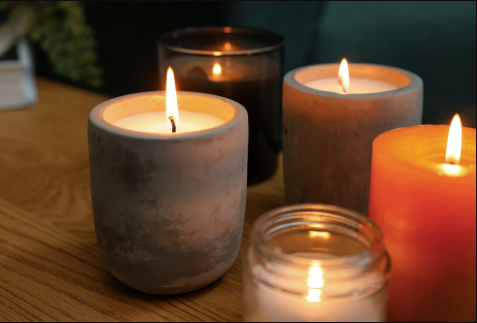

Candles create warmth, comfort, and atmosphere, but many people do not realize that burning candles can also release chemical compounds into the air. Among these are volatile organic compounds, commonly known as VOCs. Understanding how VOCs form and how they behave is important for both candle makers and consumers who want a cleaner indoor environment. The good news is that with better materials and production choices, it is possible to significantly reduce these emissions.
What Are VOCs and Why Do They Matter
VOCs are chemicals made of carbon that can easily turn into gases or vapors at room temperature. These chemicals are in a lot of everyday things, like paints, cleaners, and perfumes. When a candle burns, heat breaks down components of the wax and fragrance oils. This process, called combustion, can produce VOCs such as benzene, toluene, and formaldehyde in small amounts.
In enclosed indoor spaces, VOCs can accumulate, especially when ventilation is poor. Some people may experience headaches, throat irritation, or sensitivity to strong scents. While the levels from a single candle are often low, regular exposure from multiple sources can add up. That is why awareness of VOC mitigation in artisan candles has become increasingly important in the candle industry.
How Candles Produce VOCs
The main sources of VOCs in candles are wax, fragrance, dye, and the wick. When a candle burns properly, wax melts and travels up the wick, where it vaporizes and combusts. Ideally, this process produces mostly carbon dioxide and water vapor. However, incomplete combustion can occur if the wick is too large, the candle is exposed to drafts, or additives are not well-balanced. In these cases, additional byproducts, including VOCs and soot particles, are formed.
Fragrance oils are another key factor. Some synthetic fragrance components can release more VOCs when heated. Lower-quality materials may contain impurities that increase emissions. Even the type of dye used to color a candle can influence the chemical output during burning.
Wax Choices and Their Impact
Different waxes behave differently under heat. Paraffin wax, which is petroleum-derived, has historically been associated with higher VOC and soot production when compared to some plant-based alternatives. Soy wax, coconut wax, and beeswax are often chosen by artisan makers seeking cleaner burns. These natural waxes typically have lower melting points and can support more complete combustion when paired with the right wick.
However, wax type alone does not guarantee low emissions. Blends, additives, and overall candle design all play a role. A poorly wicked soy candle can still produce smoke and VOCs, while a well-engineered paraffin blend may burn more cleanly. This highlights the importance of testing and formulation.
See also: How Do Solar Generators Protect Against Voltage Instability?
The Role of Wicks and Fragrance
Wick size and material are critical. A wick that is too thick creates a large flame and excessive heat, leading to incomplete combustion and higher emissions. Cotton or paper core wicks without metal components are commonly preferred for cleaner performance. Trimming the wick before each use also helps maintain a steady, controlled flame.
Fragrance selection is another major area of improvement. High-quality fragrance oils that are specifically designed for candles tend to be more stable under heat. Using lower fragrance loads can also reduce the amount of vaporized compounds released into the air while still providing a pleasant scent.
Practical Steps to Limit VOC Exposure
For candle makers, thorough testing is essential. Burn tests in controlled conditions help identify soot production, flame stability, and overall performance. Adjusting wax blends, wick sizes, and fragrance percentages can make a measurable difference.
For consumers, simple habits help too. Burning candles in well-ventilated areas, avoiding drafts, and not burning a candle for excessively long periods all reduce the buildup of emissions. Keeping wicks trimmed to about a quarter inch before lighting promotes a cleaner flame.
Moving Toward Cleaner Candle Use
As awareness grows, both artisans and buyers are paying more attention to air quality. By understanding the science behind VOC formation and choosing better materials and practices, it is possible to enjoy candles with less impact on indoor air. Cleaner-burning candles are not just a trend; they represent a thoughtful balance between ambiance and health.