
Introduction
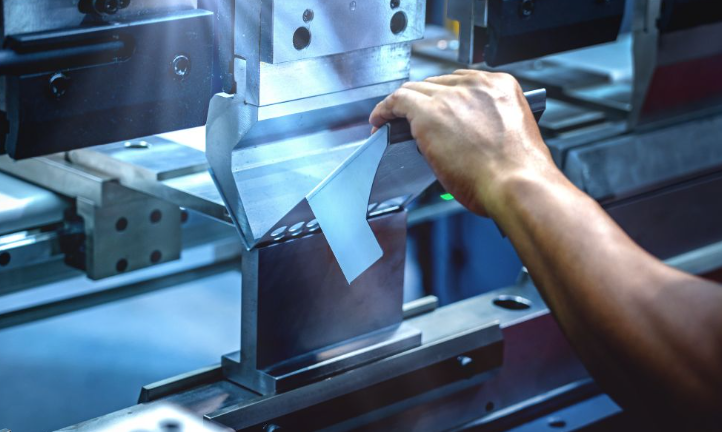
Press brakes are essential tools in metal fabrication, enabling manufacturers to bend and shape metal sheets with high precision. These machines are widely used in automotive, aerospace, construction, and general manufacturing industries. While press brakes improve efficiency and quality, operating them requires skill, knowledge, and strict adherence to safety protocols. Understanding how to operate a press brake effectively ensures accuracy, prevents accidents, and maintains consistent production standards. This article provides a comprehensive guide to press brake operation, safety measures, and best practices for both novice and experienced operators.
Understanding Press Brakes
Types of Press Brakes
Press brakes come in different configurations, each serving specific purposes:
- Manual Press Brakes: Require operators to manually adjust the ram and back gauge. They rely heavily on skill and experience.
- Hydraulic Press Brakes: Utilize hydraulic systems to provide powerful and consistent bending force.
- CNC Press Brakes: Computer-controlled machines that offer precision control over bending angles, depth, and sequencing, ideal for complex or repetitive tasks.
Knowing the type of press brake in use is essential for selecting the correct operation method and safety measures.
Key Components
Familiarity with the main components is crucial for safe and accurate operation:
- Ram or Punch: The moving part that presses the metal sheet into the die.
- Die: The stationary component that shapes the metal during the bend.
- Back Gauge: A positioning system that ensures consistent placement of the workpiece.
- Control Panel: Interface for programming and monitoring machine functions.
- Safety Devices: Guards, light curtains, and emergency stop systems protect operators from injury.
Understanding these components how to operate a press brake helps operators control the machine effectively and maintain safety.
Preparation for Operation
Safety Precautions
Safety is the most important aspect of operating a press brake. Before starting work, operators should:
- Wear personal protective equipment, including gloves, safety glasses, and steel-toed shoes.
- Ensure all guards and emergency stops are functional.
- Review the machine manual and follow company safety protocols.
Taking these precautions minimizes the risk of injury and promotes a safe work environment.
Material and Tooling Setup
Proper preparation of materials and tooling is vital:
- Select the appropriate punch and die for the material thickness and bend type.
- Ensure the metal sheet is securely positioned to prevent slipping.
- Confirm that machine settings align with the specifications for the required bend.
Correct setup improves accuracy, reduces material waste, and protects the operator.
Machine Calibration
Calibration ensures precise bending:
- Adjust the back gauge, ram stroke, and die alignment according to the workpiece specifications.
- Double-check settings before initiating a bending cycle.
Accurate calibration prevents errors and maintains quality standards across multiple bends.
Step-by-Step Operation
Programming the Machine
For CNC or computer-assisted press brakes, programming is essential:
- Input material type, thickness, and dimensions.
- Set the desired bend angle, radius, and sequence.
- Save the program for repetitive tasks to reduce setup time and improve efficiency.
Manual and hydraulic machines require careful adjustment of the ram and back gauge based on the desired bend.
Loading the Workpiece
Proper placement of the metal sheet is crucial:
- Align the sheet with the back gauge and flatten it against the die.
- Ensure it is securely held to prevent movement during the bending cycle.
Accurate positioning ensures consistent results and prevents material damage.
Executing the Bend
Engage the machine using the foot pedal or hand control:
- Monitor the bending process closely.
- Keep hands and other body parts away from the ram and die.
- For complex bends, perform multiple incremental bends to maintain control and precision.
Consistent observation reduces errors and enhances safety.
See also: Innovations in Vented and Non-Vented Infusion Systems
Unloading and Inspection
After the bend is complete:
- Remove the workpiece carefully to avoid injury.
- Inspect the bend for accuracy and quality.
- Adjust machine settings or the program if necessary before proceeding with additional workpieces.
Regular inspection ensures quality standards are maintained throughout production.
Tips for Precision and Efficiency
Calculating Bend Allowances
Material type, thickness, and tooling affect the final bend. Operators should understand bend allowance calculations to achieve precise angles. Adjusting the back gauge and ram depth can correct minor discrepancies.
Minimizing Material Waste
Plan the bending sequence to reduce scrap. Strategic sequencing of bends and nesting of parts can save material and increase efficiency.
Maintaining Consistency
For large production runs, consistent results are essential. Regular monitoring of machine settings, tool condition, and material placement ensures uniformity across multiple workpieces.
Maintenance and Troubleshooting
Routine Maintenance
Regular maintenance ensures the press brake operates safely and efficiently:
- Lubricate moving parts to prevent wear.
- Inspect tooling for damage or wear.
- Check hydraulic and electrical systems for proper function.
- Test safety devices and emergency stops regularly.
Maintenance prolongs machine life and prevents unexpected downtime.
Troubleshooting Common Problems
Operators should be prepared to handle issues such as:
- Misaligned Bends: Adjust back gauge settings and recheck sheet placement.
- Inconsistent Angles: Inspect tooling, recalibrate, and ensure proper material handling.
- Machine Malfunctions: Review programming, check electrical and hydraulic systems, and follow the manual for corrective steps.
Prompt troubleshooting prevents production delays and ensures quality standards.
Training and Best Practices
Comprehensive Training
Operators should receive training in:
- Machine functions and components
- Safety protocols and emergency procedures
- Programming and operation for CNC machines
- Troubleshooting and maintenance
Hands-on experience under supervision helps operators develop competence and confidence.
Promoting Safety Culture
Encourage a workplace culture where safety is a priority:
- Report hazards promptly.
- Follow standard operating procedures consistently.
- Participate in regular safety meetings and refresher courses.
A strong safety culture reduces accidents and increases overall productivity.
Record-Keeping and Documentation
Documenting programs, maintenance schedules, and inspection results helps operators reproduce successful outcomes, comply with industry standards, and implement continuous improvement.
Conclusion
Mastering how to operate a press brake requires a combination of technical knowledge, careful preparation, and strict adherence to safety protocols. Understanding machine components, properly setting up materials and tooling, programming accurately, and following operational procedures are key to achieving precise and consistent bends. Routine maintenance, ongoing training, and a focus on workplace safety further enhance efficiency and quality. Learning how to operate a press brake effectively is essential for any metal fabrication operation and ensures both productivity and employee safety.