
The Evolution of Animal Care
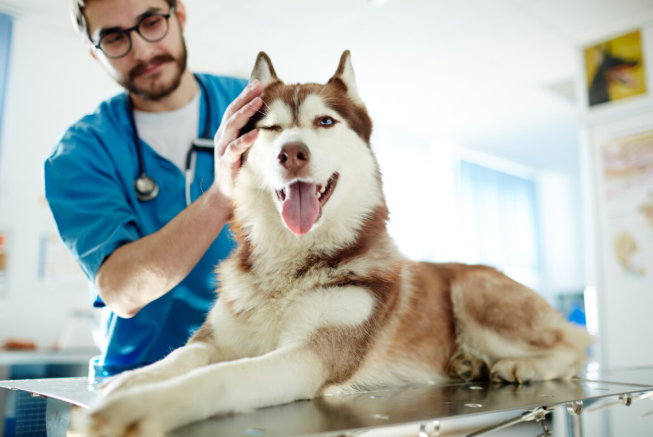
The field of animal care has experienced significant growth over the past few decades. From traditional veterinary practices focused primarily on basic check-ups and vaccinations, the industry has expanded into a comprehensive system of preventive care, emergency services, rehabilitation, and wellness programs. Modern pet owners are increasingly aware of the importance of holistic health, seeking services that not only address medical issues but also promote long-term well-being.
Urban living has also influenced this growth. With more pets in densely populated areas, access to reliable veterinary care has become crucial. Hospitals and clinics are now equipped to provide specialized services, catering to the unique needs of pets living in busy cities. Among these facilities, happy valley pet hospital is recognized for its dedication to professional care and comprehensive services.
The Importance of Veterinary Services
Veterinary care is the backbone of pet health. Regular check-ups, vaccinations, and preventive treatments help ensure that animals remain healthy and thrive throughout their lives. Beyond routine care, emergency services are critical in addressing sudden illnesses or accidents, which can occur at any time.
Facilities like happy valley pet hospital offer a range of services, including urgent care, surgical interventions, and continuous monitoring for critical cases. Having access to a professional veterinary team provides peace of mind to pet owners, knowing that help is available when it is most needed.
Core Services Offered by Modern Animal Care Facilities
Routine Check-Ups and Preventive Care
Preventive care forms the foundation of responsible pet ownership. Regular visits allow veterinarians to detect potential health issues happy valley pet hospital before they become serious. During routine examinations, pets are assessed for vaccinations, dental health, nutrition, weight management, and general wellness.
Preventive care reduces the likelihood of emergencies and ensures that pets maintain a healthy lifestyle. For urban pets, whose activities may be limited due to city environments, such preventive measures are essential in maintaining physical and mental well-being.
Emergency and Critical Care
Emergencies can strike without warning. Pets may experience accidents, sudden illnesses, allergic reactions, or severe injuries. Emergency veterinary services, such as those offered at happy valley pet hospital, ensure that animals receive immediate attention. Rapid diagnosis and treatment can be life-saving, and professional care prevents minor issues from escalating into serious health problems.
Specialized Treatments
Modern veterinary clinics provide specialized care tailored to different health conditions. Services may include cardiology, dermatology, orthopedics, oncology, and reproductive health. Advanced diagnostic equipment, such as digital X-rays, ultrasounds, and lab testing, allows veterinarians to assess conditions accurately and provide targeted treatment plans. Specialist care ensures that pets with chronic illnesses or complex medical needs receive the attention they require.
Rehabilitation and Therapy
Rehabilitation services are becoming increasingly popular in veterinary medicine. Pets recovering from surgery, injury, or age-related mobility issues benefit from physical therapy programs. Techniques like hydrotherapy, targeted exercises, and massage therapy help restore strength, flexibility, and mobility. A professional team at facilities like happy valley pet hospital can create tailored rehabilitation plans that improve recovery outcomes and enhance overall quality of life.
See also: Treatment Pathways for Neuropathy: Medications, Therapies, and Lifestyle Adjustments
The Role of Technology in Modern Veterinary Care
Telemedicine and Remote Consultations
Technology has transformed the way pet owners access veterinary care. Telemedicine allows for online consultations, enabling pet owners to seek guidance from professionals without physically visiting a clinic. This is especially useful for routine follow-ups, medication advice, or initial assessments. While not a replacement for in-person examinations, virtual consultations improve convenience and accessibility.
Advanced Diagnostic Tools
Modern veterinary clinics are equipped with cutting-edge diagnostic tools. Digital imaging, ultrasounds, MRI scans, and laboratory testing allow veterinarians to detect and treat health issues with precision. Early detection significantly improves the effectiveness of treatments, preventing minor concerns from becoming life-threatening conditions.
Health Monitoring Devices
Wearable technology for pets is on the rise. Devices that track activity levels, heart rate, and other vital signs provide insights into a pet’s health and well-being. Veterinary teams can use this data to adjust treatment plans and preventive measures, creating a more proactive approach to pet health management.
Selecting the Right Veterinary Provider
Accessibility and Availability
Accessibility is a key factor in choosing a veterinary service. Clinics that offer extended hours, including emergency and after-hours care, ensure that pets can receive timely treatment. Facilities like happy valley pet hospital provide reliable access to professional care, which is particularly valuable in urban areas where immediate medical attention can be crucial.
Expertise and Experience
Veterinary expertise is essential for accurate diagnosis and effective treatment. Qualified veterinarians with diverse experience in specialties are better equipped to handle a wide range of health issues. Continuous professional development ensures that veterinary teams remain updated on the latest medical practices and technologies.
Compassion and Communication
A compassionate approach is vital in veterinary care. Clear communication with pet owners about treatment options, preventive measures, and ongoing care creates trust and enhances compliance. Facilities that combine technical expertise with a supportive environment, such as happy valley pet hospital, help both pets and their owners feel comfortable and informed.
Challenges Facing the Animal Care Industry
Urbanization and Pet Populations
Growing urban populations have led to increased pet ownership, creating challenges in meeting veterinary demand. Limited space, high density, and environmental stressors contribute to unique health risks for urban pets. Accessible emergency care and preventive services are essential to address these challenges effectively.
Cost Considerations
High-quality veterinary care, particularly specialized or emergency services, can be expensive. Pet owners must balance affordability with the need for comprehensive care. Many clinics now offer wellness packages, payment plans, and insurance options to make essential care more accessible without compromising quality.
Education and Awareness
Despite increased awareness, many pet owners still lack knowledge about preventive care, nutrition, and early detection of diseases. Veterinary clinics and community programs play a crucial role in educating owners, encouraging responsible pet care practices, and promoting a proactive approach to animal health.
Future Directions in Animal Care
Holistic Wellness Approaches
The future of animal care emphasizes holistic wellness, integrating physical, mental, and emotional health. Nutrition, exercise, enrichment, and preventive care are combined with traditional veterinary services to create comprehensive health plans for pets.
Expansion of Emergency Services
Urban environments are driving demand for round-the-clock veterinary care. Clinics offering 24/7 emergency services, like happy valley pet hospital, are essential in ensuring that pets receive immediate attention when it is needed most.
Integration of Advanced Technology
The continued use of telemedicine, wearable health monitors, AI-driven diagnostics, and advanced imaging will further enhance animal care. Technology allows for more precise, efficient, and personalized treatments, improving both short-term and long-term health outcomes for pets.
Conclusion
The animal care industry has transformed into a sophisticated, multi-faceted field that emphasizes preventive care, emergency services, specialized treatments, and overall wellness. Access to professional veterinary care, particularly through trusted facilities like happy valley pet hospital, ensures that pets receive timely, accurate, and compassionate treatment.
As awareness, technology, and holistic wellness approaches continue to grow, the future of animal care promises better outcomes, healthier pets, and more informed, confident pet owners. By combining expert care, accessible services, and educational initiatives, modern veterinary practices are shaping a healthier and more sustainable environment for animals in urban communities.